Snorkeling Sardaigne
Visitor Guide

Snorkeling Sardaigne Nord

Northern Sardinia's coastline offers year-round snorkeling access across dozens of public beaches and protected coves. Water clarity, marine encounters, and crowd levels shift significantly by location and season. This guide maps the practical realities of snorkeling sardaigne nord—where to enter the water, what you'll see beneath the surface, and how to time your visit.

7 min read Updated 2026-09-30 Fact-checked
Snorkeling Sardaigne Nord

Quick answer

Snorkeling sardaigne nord is accessible daily along the public beaches of the northern coast, with no entrance fees for coastal waters. The best window runs from early morning through late morning (08:00–11:00), when water clarity peaks and afternoon winds have not yet stirred sediment. Visibility typically ranges from 10 to 25 meters depending on weather, with calmer conditions from May through September.

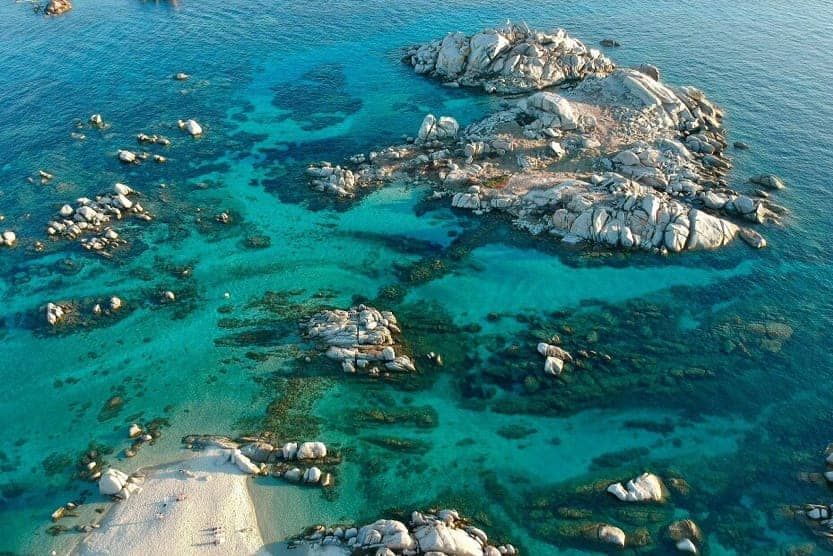
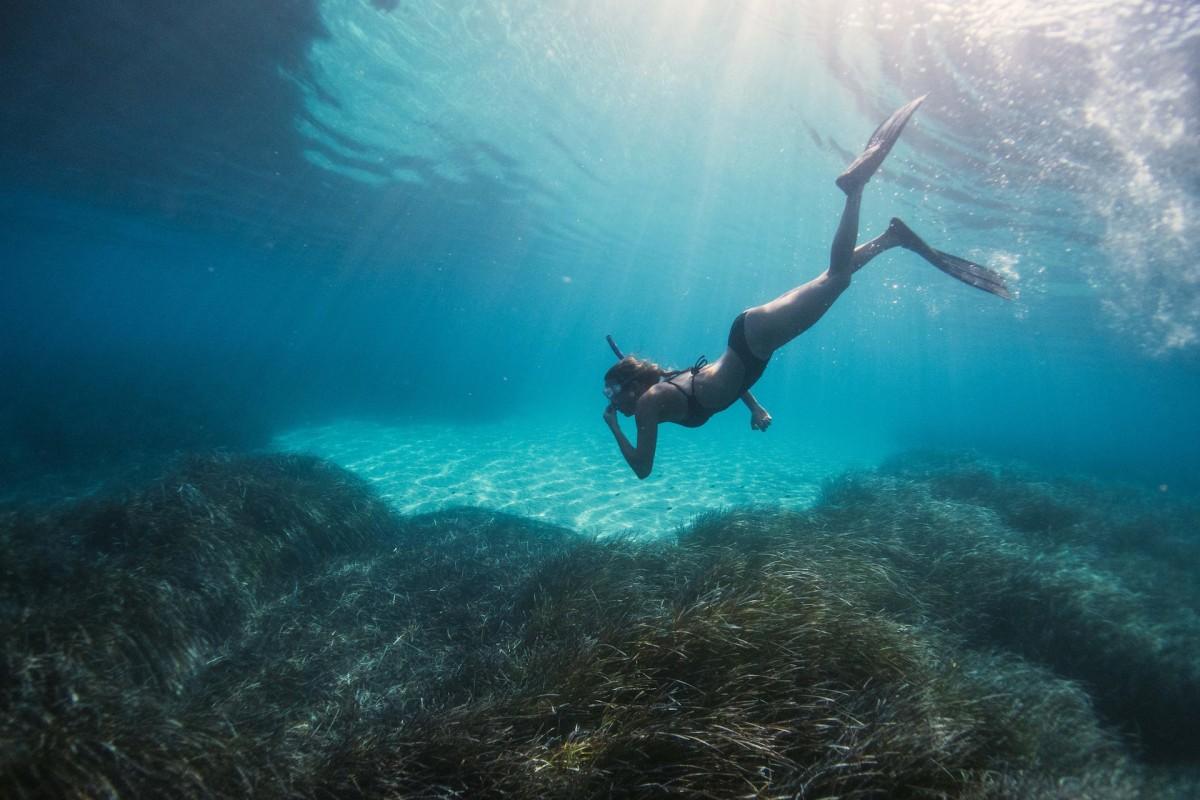
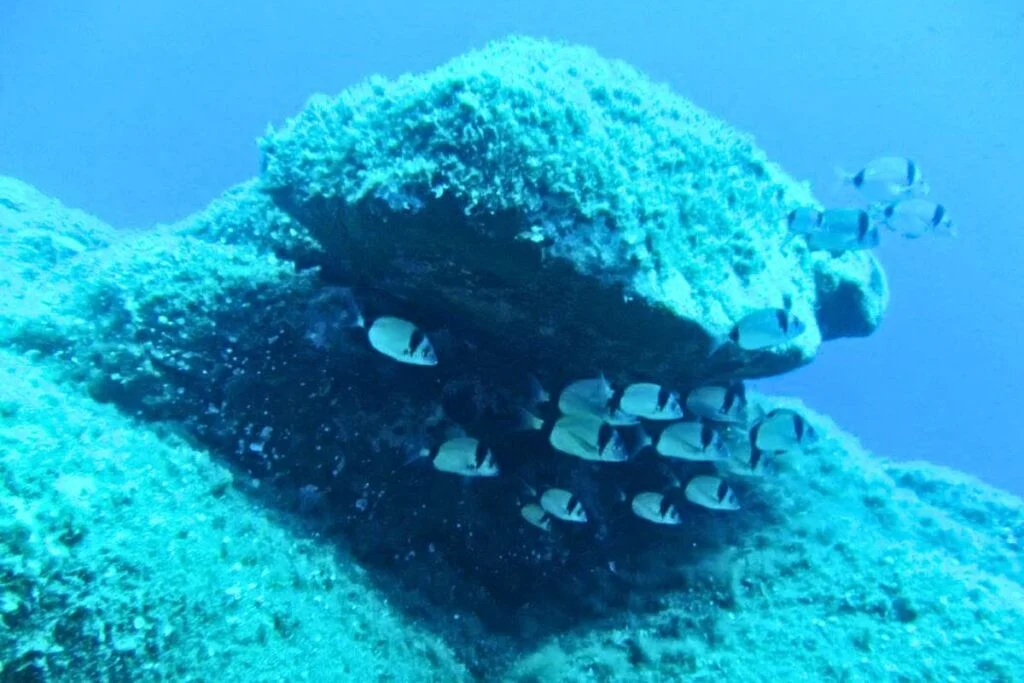
Northern Sardinia's granite coastline creates natural sheltered bays where Mediterranean currents deposit nutrient-rich waters without excessive wave action. The seabed alternates between Posidonia oceanica meadows, scattered boulders colonized by sponges and octopuses, and sandy channels where flatfish bury themselves during daylight hours. Most accessible snorkeling sites lie within the Maddalena archipelago's outer islands, along the Costa Smeralda's public access points, and near Golfo Aranci's eastern coves. Water temperature follows a Mediterranean pattern: 14–16°C in February, climbing to 24–26°C by August, then cooling gradually through autumn. A 3mm wetsuit suffices from June through October; thicker neoprene becomes necessary outside those months. Posidonia meadows host damselfish, wrasse, and juvenile sea bream, while rocky outcrops attract groupers, moray eels, and occasional barracuda. Jellyfish presence peaks in late summer, particularly during calm, warm spells when Pelagia noctiluca drifts inshore. Visibility drops significantly when the maestrale wind blows from the northwest, churning sediment and reducing clarity to under five meters within hours. Local dive shops along the coast monitor wind forecasts closely; most recommend avoiding snorkeling during maestrale events. Libeccio winds from the southwest have a milder impact but still degrade conditions. The clearest water arrives after several windless days, typically during early summer mornings before thermal afternoon breezes develop. Current patterns around the Maddalena islands create nutrient upwellings that support dense fish populations but also generate moderate surface drift. Snorkelers should monitor their position relative to shore and avoid areas with visible current lines or surface chop. The Strait of Bonifacio, separating Sardinia from Corsica, funnels stronger currents unsuitable for casual snorkeling. Most protected sites lie inside the archipelago or along the mainland's eastern-facing bays, where land masses block prevailing winds and reduce swell.

“The seabed alternates between Posidonia oceanica meadows, scattered boulders colonized by sponges and octopuses, and sandy channels where flatfish bury themselves during daylight hours.”
Timing

Best Time for Snorkeling Sardaigne Nord

The most favorable period for snorkeling along the northern coast of Sardinia is from June to September, with an emphasis on early morning visits to secure optimal conditions. Arriving during the best arrival window of 08:00–11:00 ensures clearer water and lower visitor density.

June to September

High crowd levels

Warm water, 22°C to 25°C

Peak season offers the highest water temperatures for extended sessions.

May and October

Moderate crowd levels

Cooler water, 18°C to 21°C

These shoulder months provide calm seas and clear visibility for snorkelers.

Weekday mornings

Low crowd density

—

The best arrival window of 08:00–11:00 minimizes noise and water disturbance.

Verdict: For the quietest experience and best visibility, visit on weekday mornings during May, June, September, or October.

Directions

Getting to Snorkeling Sardaigne Nord Locations

The northern coast of Sardinia is best accessed by private vehicle, which allows for the flexibility required to reach remote coves and hidden snorkeling spots. Primary access routes follow the SS131 Dir or the coastal SP90 road.

Car Varies by location —

SS131 and SP90 coastal roads

Bus 60-120 min —

ARST regional network to coastal towns

Boat 30-60 min —

Private charter or excursion from Palau/Santa Teresa

For the best experience, plan your arrival between 08:00–11:00. This window offers clearer water conditions and helps avoid the peak crowds that gather at popular access points later in the day.

What to see

Top Marine Sites for Snorkeling Sardaigne Nord

The northern coast of Sardinia offers varied marine environments ranging from granite-framed coves to protected maritime park areas. These zones provide habitats for Mediterranean fish species and sea grass meadows accessible from the shoreline.

La Maddalena Archipelago

La Maddalena Archipelago

This protected national park consists of numerous islands with granite rock formations and clear sandy seabeds. The shallow channels between islands often contain schools of damselfish and sea bream.

Explore the sheltered eastern bays during low wind conditions.
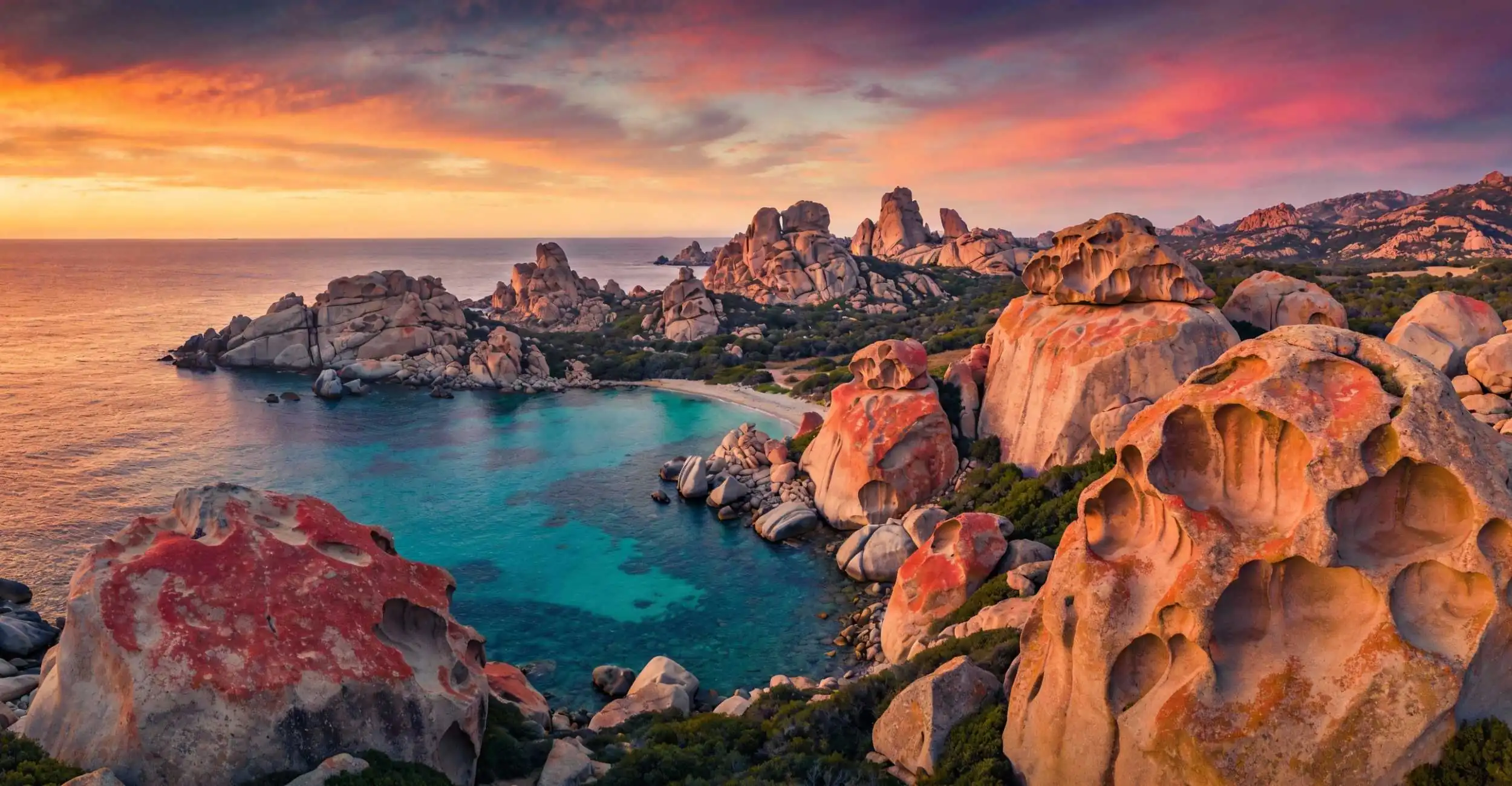
Capo Testa

Capo Testa

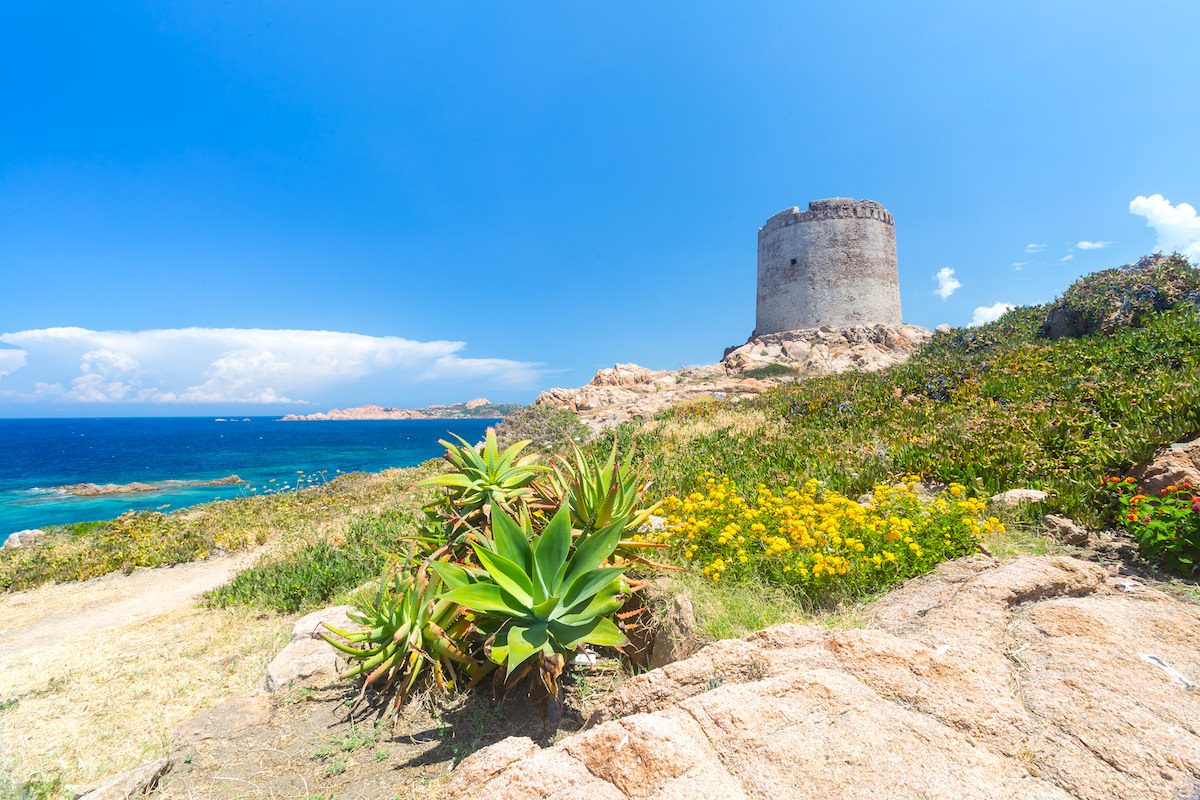
Known for its eroded granite boulders and deep coastal waters, this area features complex underwater rock topography. The site attracts species that favor rocky crevices and currents.

Observe the rock formations near the lighthouse base.

Lavezzi Islands

Lavezzi Islands

Located near the strait between Sardinia and Corsica, these islands feature granite reefs and sandy patches. The area is known for dense populations of grouper and large schools of Mediterranean fish.

Swim near the submerged granite boulders for better visibility.

Isola Rossa

Isola Rossa

This coastal area is characterized by red porphyry rocks that create distinct contrast with the turquoise water. The shallow reefs close to the shore support diverse marine vegetation and small crustaceans.

Focus on the rocky perimeter north of the marina.

Checklist

Essential Checklist for Snorkeling Sardaigne Nord

Northern Sardinia's marine protected areas and rocky coastlines require specific equipment and awareness of local conditions.

Book

Check availability

Frequently asked

Frequently asked questions about snorkeling sardaigne nord

Everything you need to know about snorkeling sardaigne nord

Is snorkeling sardaigne nord accessible for free?

Public beaches and coastal waters provide free access to everyone, meaning you do not pay an entrance fee to enjoy snorkeling sardaigne nord. Please ensure you respect local environmental regulations when exploring these areas.

When is the best time for snorkeling in Northern Sardinia?

The best arrival window is between 08:00 and 11:00 to enjoy clearer water conditions and fewer crowds. Planning your visit during these hours allows for a much more tranquil experience in the sea.

Are there specific opening hours for coastal waters?

There are no restricted visiting hours as public access is available from 00:00 to 23:59 every day. This flexibility allows you to choose the most suitable moment for your underwater exploration.

What gear do I need for snorkeling sardaigne nord?

To engage in snorkeling sardaigne nord effectively, you should bring a mask, snorkel, and fins. While some visitors prefer wearing a wetsuit, many find that the Mediterranean water temperature is comfortable during the warmer months.

Can children participate in snorkeling sardaigne nord activities?

Children are welcome to participate in snorkeling activities provided they are supervised by an adult at all times. Shallow areas along the coastline offer safe environments for younger swimmers to observe local fish species.

Is it necessary to book a guided excursion?

Booking a guided tour is not mandatory, as you can explore public coastal waters independently. However, local excursions can provide transport to more secluded spots that are difficult to reach from the shore.

What marine life can I observe in Northern Sardinia?

You can observe various Mediterranean species such as damselfish, sea bream, and octopuses nestled within rocky reefs. Protecting this fragile ecosystem is vital, so please avoid touching the seabed or marine wildlife during your visit.

Keep reading

More guides & pages