
English| EUR
Suggested for you
More currencies
Choose a language
Sardinia's coastline offers some of the Mediterranean's most accessible underwater experiences, with public beaches and protected marine areas drawing snorkelers year-round. This guide distills community knowledge and practical logistics to help you choose the right location and prepare for conditions along the island's 1,849 kilometers of shore.
Quick answer
Public beaches across Sardinia offer free entry for snorkeling, though certain marine protected areas may require permits or restrict access during nesting seasons. The clearest visibility occurs between 07:00 and 10:00, when morning light penetrates shallow waters and boat traffic remains minimal. Conditions vary significantly between the Costa Smeralda's granite coves, the Maddalena Archipelago's seagrass meadows, and the southern limestone cliffs near Villasimius.
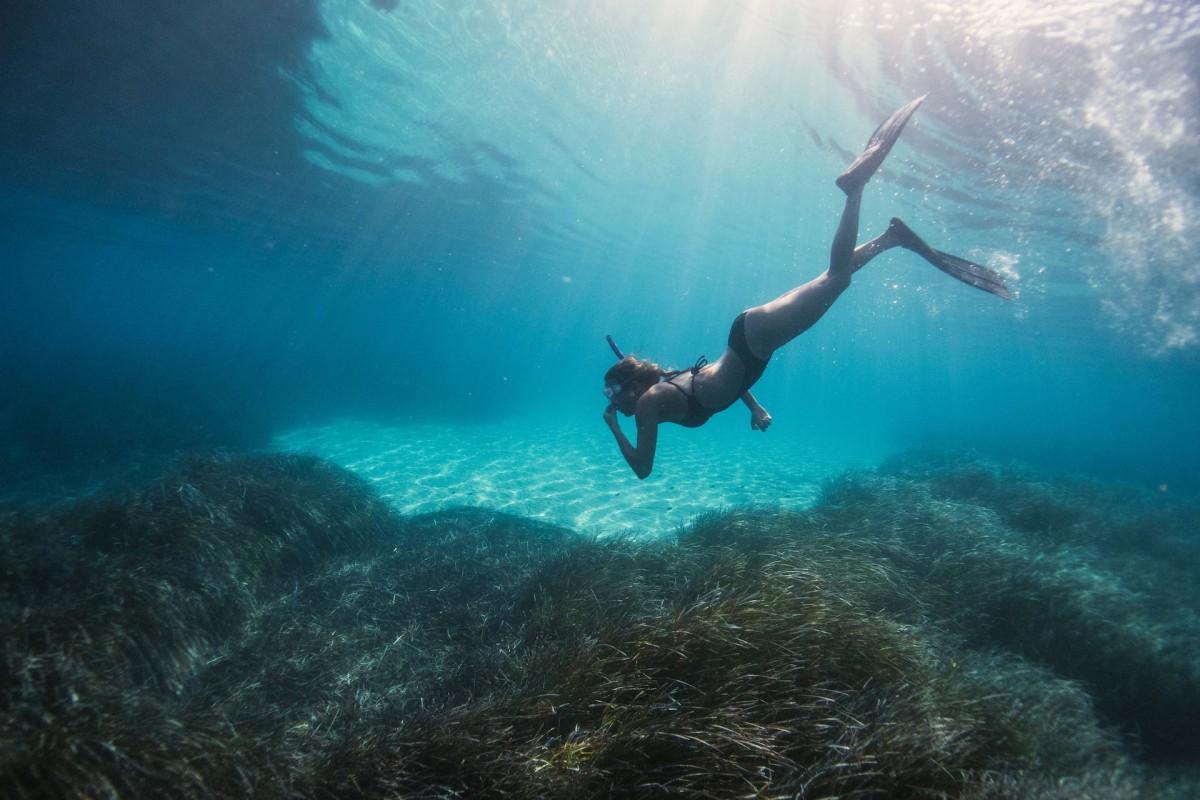
Sardinia's underwater landscape divides into distinct zones, each shaped by geology and current patterns. The northeastern coast, particularly around La Maddalena, features granite boulders and channels where grouper and octopus shelter between rock formations. Southern areas like Capo Carbonara and Punta Molentis present limestone walls colonized by sponges and sea fans, while the western Gulf of Oristano offers shallow sandy stretches populated by small pelagic schools. Snorkeling Sardaigne forum discussions frequently highlight the importance of reading local conditions before entering the water. The Mistral wind, blowing from the northwest, can churn coastal waters and reduce visibility to less than two meters within hours. Conversely, the Scirocco from the southeast brings warmer but often turbid water loaded with plankton. Snorkelers checking community reports typically target days following calm weather, when sediment settles and visibility extends beyond ten meters. Marine protected areas around Tavolara, Capo Caccia, and the Sinis Peninsula impose seasonal restrictions to safeguard breeding colonies of loggerhead turtles and Mediterranean monk seals. Permits, when required, are issued by local maritime authorities and typically cost between five and fifteen euros per day. These zones also enforce no-take rules, prohibiting the collection of shells, sea urchins, or any marine life. Violators face fines starting at three hundred euros. Morning entry between 07:00 and 10:00 remains the most reliable window for underwater clarity. As the sun climbs, thermal currents begin mixing surface and deeper layers, stirring particulates. Afternoon winds further degrade conditions. Snorkeling sardaigne enthusiasts also note that autumn months bring calmer seas and reduced crowds compared to the July-August peak, though water temperature drops to around eighteen degrees Celsius by late October, making wetsuits advisable for extended sessions.
“Morning light penetrates shallow waters before thermal currents and boat traffic stir sediment, offering the day's clearest underwater window.”
The best arrival window is 07:00–10:00, which offers optimal water clarity and lower visitor density. Planning your visit within this period allows for calmer sea conditions before the midday winds and peak crowds arrive.
Warm water, 22-26°C
This period offers the warmest sea temperatures for longer sessions. Daily usage is highest, making early arrivals essential.
Mild air and sea, 19-21°C
These shoulder months provide quieter beaches and comfortable temperatures. Visibility remains consistent during morning hours.
—
Visiting on weekdays between 07:00 and 10:00 provides the most tranquil experience. Water disturbance is minimized, allowing for better underwater observation.
Verdict: The best slot for snorkeling is weekdays from 07:00 to 10:00 during the months of May or October.
Access to snorkeling locations in Sardinia primarily depends on whether you visit public coastal areas or specific marine protected zones. While public beaches are accessible at no cost, specialized zones may require formal permits.
Verdict: A typical adult pays 0 EUR for public beach access, though specific marine protected areas may impose distinct permit costs.
Public snorkeling sites across Sardinia are accessible at all hours as they are natural coastal areas. This allows visitors to plan their excursions according to their own schedules.
Prepare equipment and documentation before heading to Sardinia's marine protected areas.
Sardinia's marine protected areas and coastal ecosystems depend on visitor compliance with conservation regulations. Observing no-take zones and minimizing physical contact with seabeds protects fragile Mediterranean habitats.
Everything you need to know about snorkeling sardaigne forum
Most experienced travelers suggest bringing your own mask, snorkel, and fins to ensure a comfortable fit. Local shops often provide rentals, but community members frequently advise verifying equipment quality before heading out. Maintaining your own gear allows for more flexibility when exploring diverse coastal spots. Public beaches throughout the island remain free to access for all visitors. While you do not pay an entrance fee of 0 EUR for general shore access, certain marine protected areas may require specific permits for entry or organized activities. Always verify if your chosen spot falls under protected status before swimming. The best arrival window is between 07:00 and 10:00 to enjoy clearer water visibility and fewer crowds. Early morning visits are widely encouraged by the community to avoid the intensity of the midday sun. Yes, many local operators offer guided tours suitable for those new to the activity. These excursions often include safety briefings and professional guidance to help you discover hidden coves safely. It is helpful to check recent discussions for recommendations on reputable local guides. You should pack essentials such as reef-safe sunscreen, water, and a lightweight towel. Protecting the delicate seagrass meadows and rocky outcrops is essential, so avoid touching the seabed or marine life. Preparing your bag with these basics ensures you stay comfortable throughout your time at the shore.
Snorkeling en Sardaigne Nord
Read more GuideQue voir en snorkeling en Sardaigne
Read more GuideSnorkeling en Sardaigne Sud
Read more GuideCarte des Spots de Snorkeling en Sardaigne
Read more GuideLes Meilleurs Spots de Snorkeling en Sardaigne
Read more Tickets & toursSnorkeling Pula Sardinia
Read more Tickets & toursSnorkeling Baja Sardinia
Read more Tickets & toursSnorkeling in Palau Sardinia
Read more