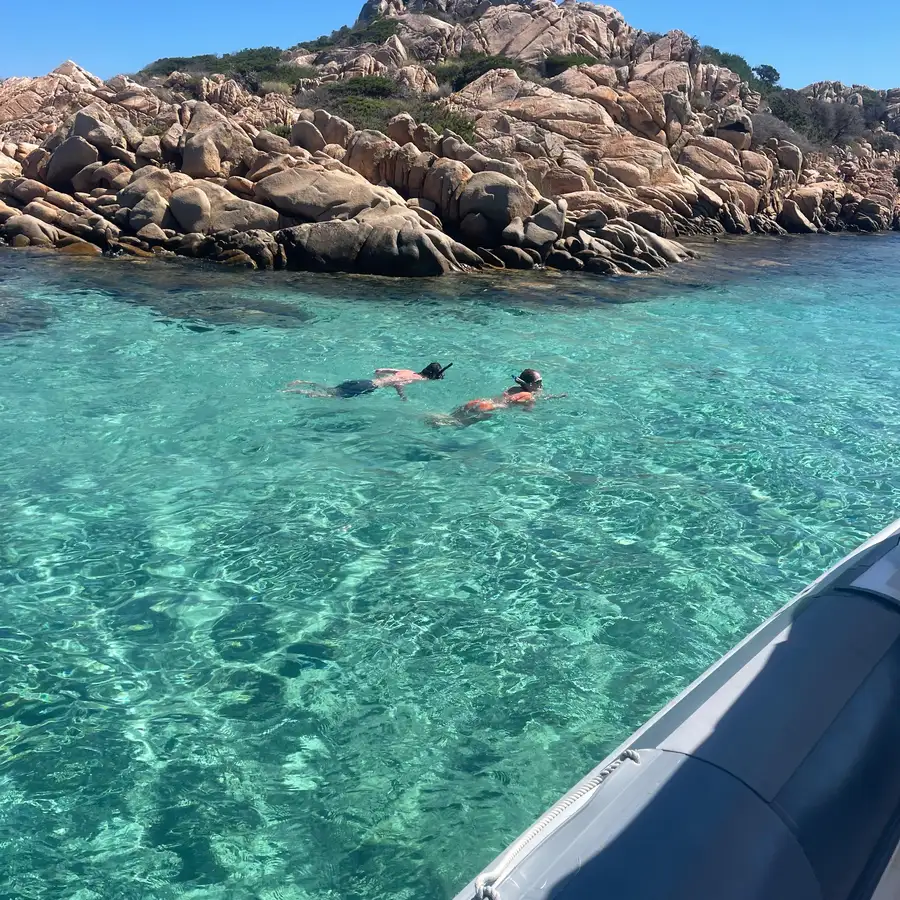
La Maddalena Archipelago
A group of islands featuring clear waters and granite rock formations that create shallow, protected snorkeling paths.
Follow the coastline of Spargi island for schools of damselfish.

Sardinia's 1,850-kilometer coastline shelters dozens of snorkeling zones, from shallow coves to protected marine parks. This snorkeling sardaigne carte guide maps the island's accessible underwater sites and explains which coastal sections deliver the clearest water and richest marine life.
Quick answer
Sardinia offers free entry to all public beaches, with snorkeling access available year-round from 00:00 to 23:59. The best water visibility and calm sea conditions occur between 09:00 and 12:00, particularly along the eastern coast's marine protected areas. Fees apply only when booking private boat tours to offshore sites.
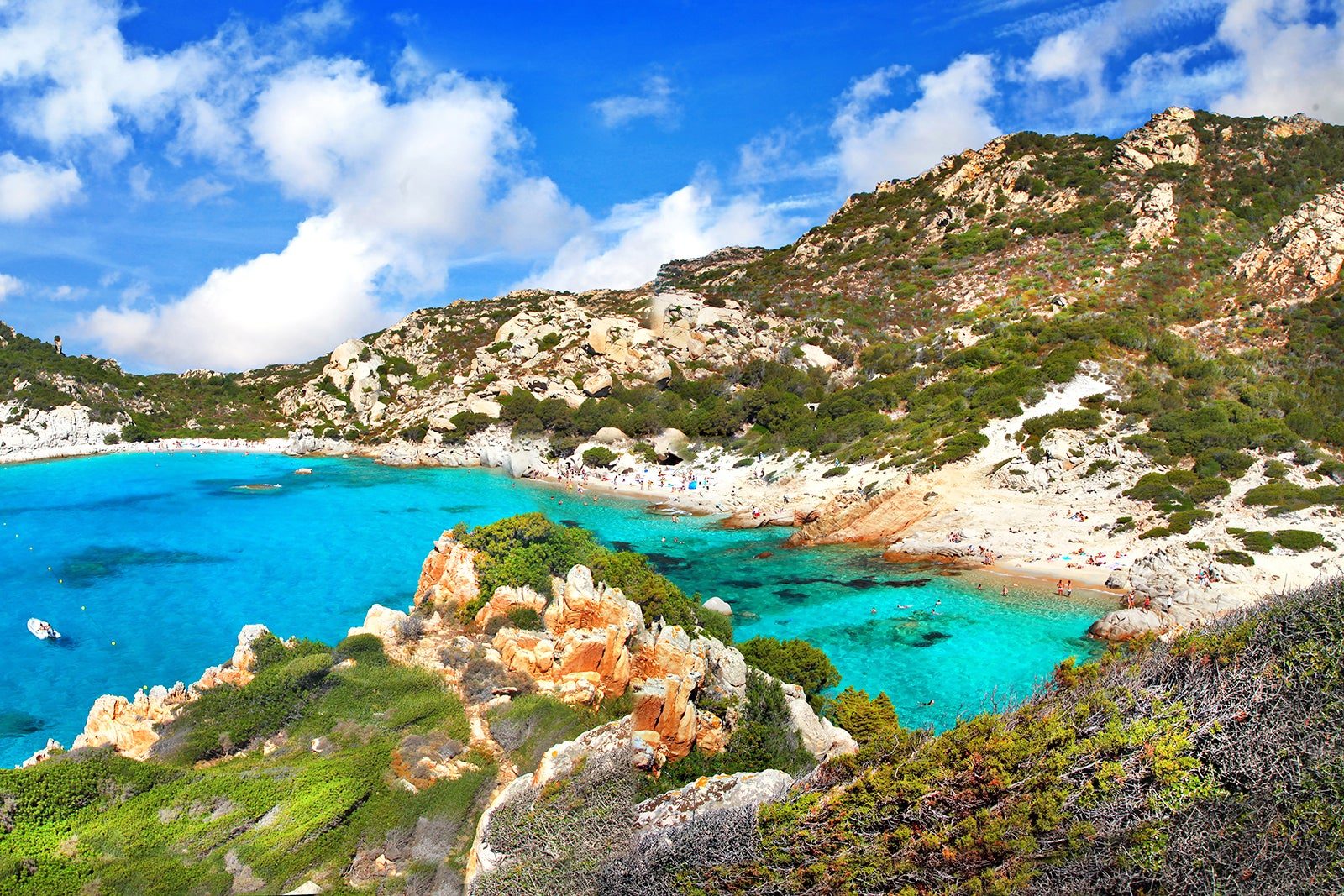
Sardinia's underwater geography divides into four distinct coastal systems, each offering different visibility conditions and marine habitats. The eastern Golfo di Orosei presents limestone cliffs plunging into 30-meter depths, while the southern Costa del Sud features granite boulders creating natural swim-throughs. The northwestern Asinara Island marine reserve protects 110 square kilometers of seagrass meadows, and the northeastern Archipelago di La Maddalena offers 180 mapped dive and snorkel sites across seven main islands. Public beach access remains unrestricted across Sardinia, though reaching remote coves often requires hiking coastal trails or renting small boats from harbor towns like Cala Gonone, Santa Teresa Gallura, or Villasimius. The island's marine protected areas—Tavolara-Punta Coda Cavallo, Capo Carbonara, and Penisola del Sinis—enforce zoning rules that prohibit anchoring in certain shallow zones to preserve posidonia seagrass beds, a UNESCO priority habitat. Snorkelers swimming from shore encounter no restrictions. Water clarity peaks during morning hours when wind remains minimal and sediment settles overnight. The Mistral wind, dominant from the northwest, can reduce visibility along western beaches while leaving eastern coves mirror-calm. A snorkeling sardaigne carte approach helps match wind forecasts to sheltered coastal sections. Summer surface temperatures reach 26°C, while October through May averages 15-18°C, requiring at least a 3mm wetsuit for extended immersion. Marine life concentrations vary by substrate: rocky points attract grouper and octopus, sandy shallows host rays and flounder, and seagrass beds shelter seahorses and juvenile fish. The Maddalena archipelago's granite formations create the island's highest biodiversity per square meter, with 700 catalogued species. Cala Mariolu and Cala Goloritzé on the eastern coast offer the most dramatic underwater topography, though trail access requires 40-60 minute hikes from parking areas.
“Sardinia's marine protected areas enforce zoning rules that prohibit anchoring in shallow zones to preserve posidonia seagrass beds, a UNESCO priority habitat.”
The best arrival window for snorkeling in Sardinia is 09:00–12:00, which provides the most consistent water visibility and calm sea conditions. Planning your visit during these morning hours minimizes exposure to the higher afternoon winds and heavy boat traffic.
Warm waters 23°C–26°C
Clear visibility and stable sea surface conditions are common during this season.
Cooler waters 19°C–21°C
These shoulder months offer fewer visitors and pleasant air temperatures for snorkeling outings.
—
Arriving during the 09:00–12:00 window avoids weekend surges and ensures the calmest waters for exploring.
Verdict: The optimal time to snorkel is from 09:00–12:00 during the months of June, July, September, or October to balance water temperature with calm sea conditions.
Access to public beaches in Sardinia is free of charge for all visitors. Costs only apply when opting for private boat tours to reach specific snorkeling locations.
Verdict: A typical adult pays 0 EUR for beach access, with costs increasing only when selecting private boat excursions for guided snorkeling.
Public snorkeling locations across Sardinia remain accessible throughout the day and night. Access to coastal waters is available at all times.
Sardinia offers diverse marine environments ranging from granite-walled coves to protected underwater reserves. These zones provide varied topography and marine life for snorkeling enthusiasts.
A group of islands featuring clear waters and granite rock formations that create shallow, protected snorkeling paths.
Follow the coastline of Spargi island for schools of damselfish.
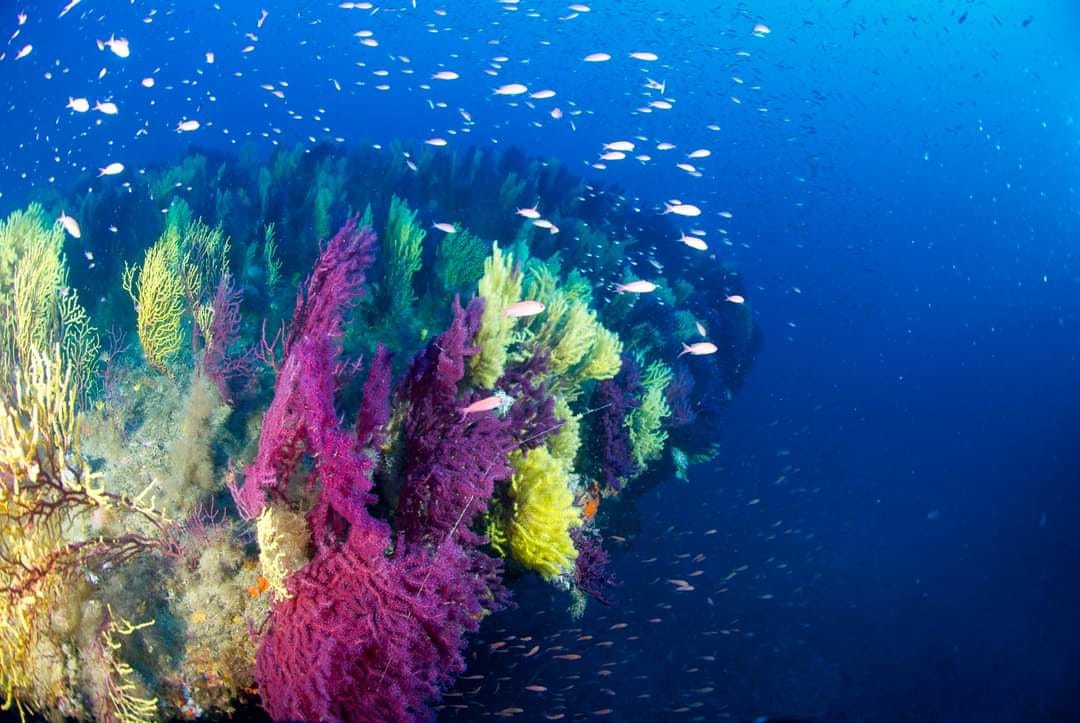
Located at the southeastern tip of Sardinia, this marine protected area hosts Posidonia seagrass meadows and diverse fish populations.
Look for groupers near the submerged rocky outcrops.
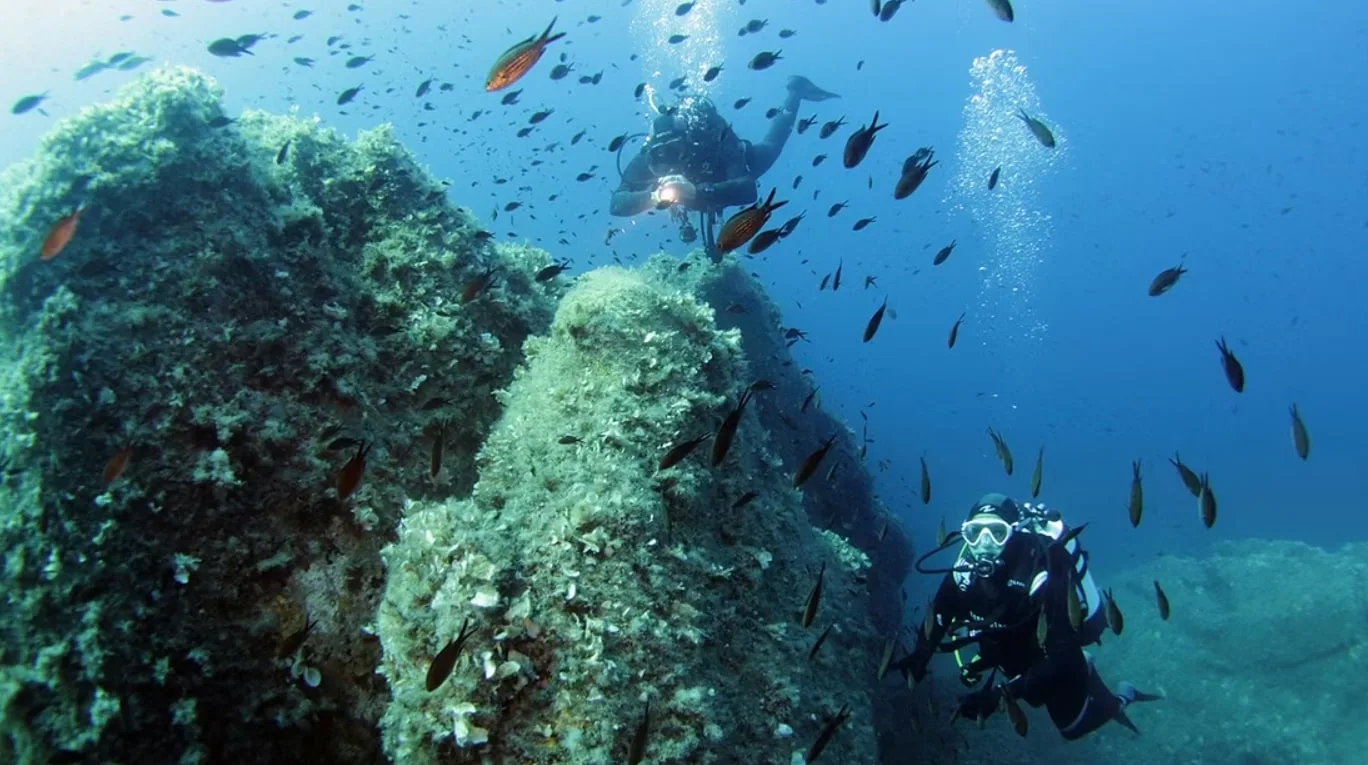
This limestone massif rises directly from the sea, offering steep underwater walls and rich biodiversity.
Explore the shallows near the sandy isthmus for better visibility.
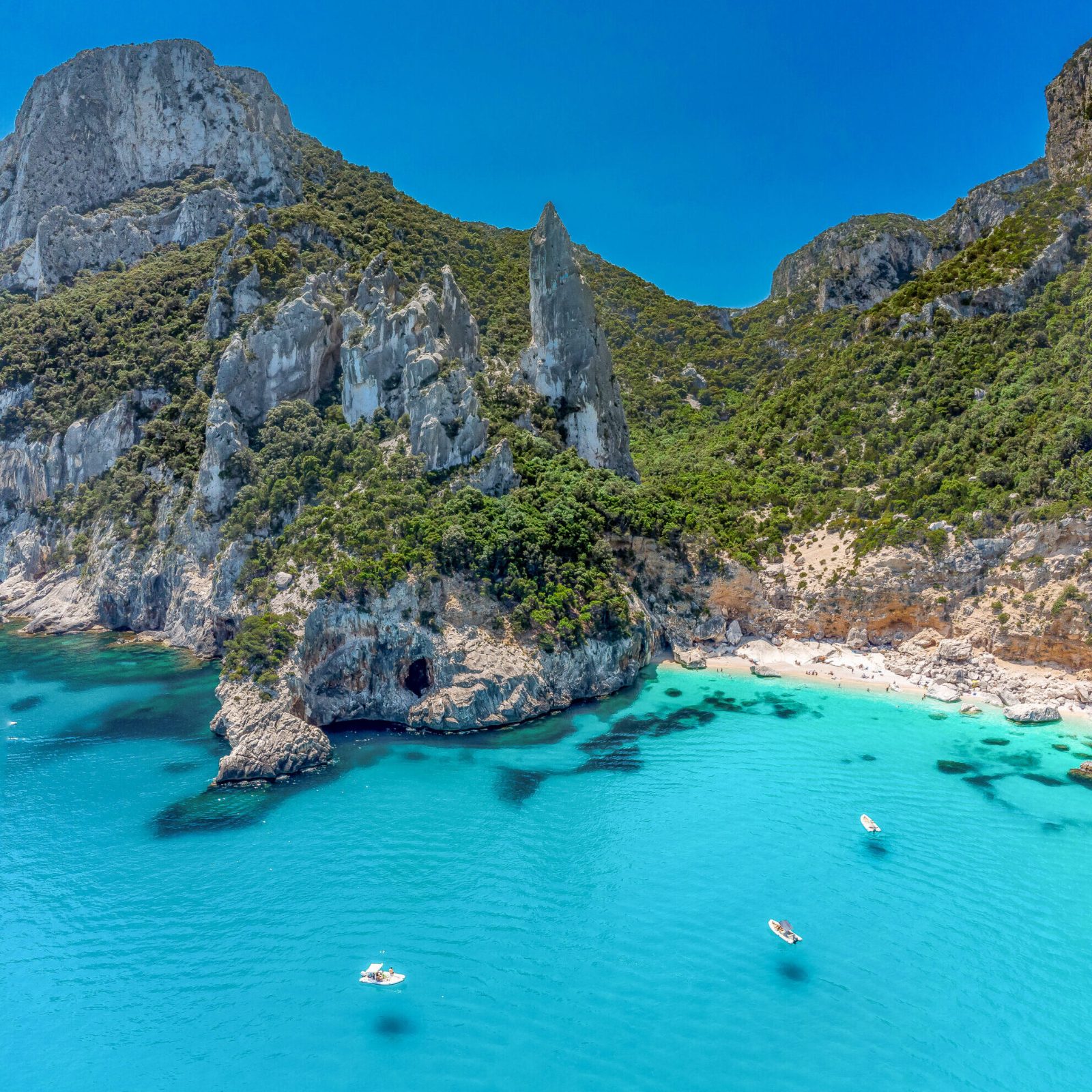
A protected natural monument accessible by sea, featuring white pebbles and turquoise water with distinct rocky topography.
Swim toward the outer rocks to find clearer water and pelagic fish.
Independent snorkelers visiting Sardinia's coastal zones should verify they have the right equipment and understand local water conditions.
Everything you need to know about snorkeling sardaigne carte
A reliable snorkeling sardaigne carte will highlight marine protected areas, rocky coves, and seagrass meadows known as Posidonia oceanica. These features help you identify areas with high biodiversity and clear crystalline waters. Finding a well-detailed snorkeling sardaigne carte allows you to pinpoint accessible coastal entry points away from heavy boat traffic. Use the coordinates to navigate towards protected bays where Mediterranean marine life thrives. While access to public beaches is 0 EUR, private boat tours may charge fees for transport to offshore reefs. Always verify if the tour includes equipment or professional guide services before booking. The best arrival window is 09:00–12:00 when the sea is calm and visibility is optimal. Arriving during this period helps you avoid the afternoon winds and peak sun intensity. Most public beaches in Sardinia are family-friendly, though supervision is essential in deeper waters. Many locations offer shallow, sandy entry points suitable for younger snorkelers to practice safely. Many travelers search for a digital snorkeling sardaigne carte to track their GPS location in real-time. These maps often provide satellite imagery to help visualize the seabed topography before you submerge. Standard equipment includes a mask, snorkel, and fins, which can be rented at many coastal kiosks. It is advisable to wear a rash guard or light wetsuit to protect against UV exposure and jellyfish. You do not need a private boat to enjoy the coastline, as many sites are reachable from the shore. Private tours are optional if you wish to explore remote islands or restricted zones accessible only by sea.
Snorkeling en Sardaigne Nord
Read more GuideQue voir en snorkeling en Sardaigne
Read more GuideSnorkeling en Sardaigne Sud
Read more GuideLes Meilleurs Spots de Snorkeling en Sardaigne
Read more GuideConseils Snorkeling Sardaigne : Forum
Read more Tickets & toursSnorkeling Pula Sardinia
Read more Tickets & toursSnorkeling Baja Sardinia
Read more Tickets & toursSnorkeling in Palau Sardinia
Read more